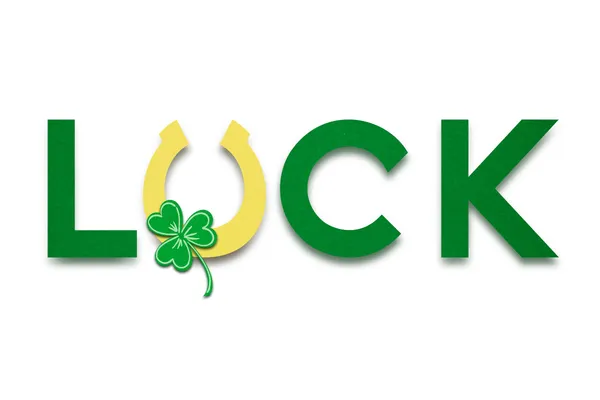
Luck Is Not a Funding Strategy: How Nonprofits Actually Win Grants
“I’m a great believer in luck, and I find the harder* I work, the more I have of it.”
— Thomas Jefferson (bonus points for working smarter— not harder;)
Every March, we start hearing it:
“Wow, they’re so lucky — they keep winning grants.”
“They must know someone.”
“Right place, right time.”
But after working inside dozens of organizations and hundreds of proposals, here’s the truth, while networking, timeliness, and luck can be factors:
Consistently funded nonprofits aren’t luckier. They’re more repeatable.
Grant success looks mysterious from the outside. From the inside, it looks like a system. Let’s pull back the curtain and talk about what actually creates “lucky” outcomes.
The Myth of the Lucky Grant Winner 🎲
If funding were random, the same organizations wouldn’t keep winning.
Yet they do.
Research from the Urban Institute shows that a relatively small percentage of nonprofits receive a disproportionately large share of grant funding because they have stronger infrastructure, clearer outcomes, and established funder relationships.
In other words: funders invest where risk feels lowest and impact feels clearest.
That’s not luck — that’s confidence.
What Winning Organizations Do Differently (Spoiler: It’s Boring) 🧠
No secret handshake. No enchanted shamrocks. Just discipline.
Organizations that consistently win grants tend to have four habits:
1. They Choose Grants — They Don’t Chase Them 🧭
More applications ≠ more funding
Better applications = more funding
Instead of applying to everything, they apply to the right things.
They evaluate:
Mission alignment
Funder history
Typical award size
Internal capacity
A strategic prospecting approach emphasizes fit over volume because success rates increase when opportunity selection improves.
[MAKE THE FOLLOWING A HYPERLINKED BUTTON]
FREE RESOURCE: Try our Funder Match Checklist tool to help evaluate whether an opportunity is truly worth your time.
2. They Build Relationships Before Deadlines 🤝
Most funded proposals are not cold submissions.
Grantmakers themselves say conversations matter. Most current and former Program Officers recommend contacting funders when possible to confirm alignment and competitiveness before applying.
Organizations that feel “lucky” often simply started talking earlier.
3. They Reuse and Improve Instead of Reinventing ♻️
Winning nonprofits rarely start from scratch.
They maintain:
A grant language library
Program data dashboards
Updated needs statements
Measurable outcomes
Imagine turning a 60-hour proposal into a 20-hour refinement . . .
Luck loves preparation.
4. They Treat Rejections as Data 📊
Unfunded proposals aren’t failures — they’re feedback loops.
Grant professionals consistently note resubmissions have higher success rates because proposals improve and familiarity grows.
Lucky organizations resubmit. Unlucky ones restart.
Why “Hope Strategy” Fails Nonprofits 🚨
The most common grant plan we see:
“We need $250,000 yesterday — let’s apply everywhere today.”
This creates:
Staff burnout
Weak proposals
Low win rates
Reactive decision-making
It’s the nonprofit version of buying lottery tickets instead of building revenue.
A strategy replaces randomness with probability.
Make Your Own Luck This Year🍀
So this March, instead of hoping for a four-leaf clover, try this:
Pick fewer grants — better aligned ones
Talk to funders early
Build reusable materials
Track and refine outcomes
Consistency compounds faster than luck ever will.
📣 Ready to Stop Guessing and Start Predicting?
At Carinci Consulting, we help nonprofits build grant strategies that turn uncertainty into repeatable wins — not miracle moments.
📅Book a free strategy call:https://www.carinciconsulting.com/schedule.
Because the most successful nonprofits don’t wait for luck. They design it.
Have questions? 📨Email us at hello@carinciconsulting.com.
Office: Lexington, SC
Site: www.carinciconsulting.com

Call: 302-383-4724
Email: jennifer@carinciconsulting.com